请双击输入内容...


Tel: +86-20-86181657

Email: sales@sunrans.com
Share to:















- Media News -
Hot Tub Cost Breakdown 2026: Installation, Maintenance & Total Ownership Cost Guide
Time: 2026-07-17 16:23:15
Author: SUNRANS
Click:
Wondering how much a hot tub really costs? Discover the complete hot tub cost breakdown, including installation, monthly expenses, maintenance costs, and money-saving tips before you buy.
Hot Tub Cost Breakdown: What You Pay for Installation + Maintenance
Introduction: The Purchase Price Is Only the Beginning
Buying a hot tub is an exciting investment in relaxation, wellness, and outdoor living. However, many first-time buyers focus almost entirely on the purchase price while overlooking the long-term costs of ownership.
The reality is that the price tag on a hot tub represents only part of the total investment. Installation, electricity, water care, routine maintenance, and occasional component replacement all contribute to the Total Cost of Ownership (TCO).
Understanding these expenses before purchasing allows homeowners, hotel operators, distributors, and commercial buyers to make informed decisions and avoid unexpected costs later.
Fortunately, owning a modern, energy-efficient hot tub doesn’t have to be expensive. Choosing a high-quality spa with premium components and proper insulation can significantly reduce operating costs over its lifetime.
In this guide, we’ll break down every major expense associated with hot tub ownership, helping you understand exactly where your money goes—and how to save more in the long run.

Installation Costs: What Should You Expect?
Installation costs vary depending on the spa size, installation method, electrical requirements, and site conditions.
Many buyers are surprised to learn that installation can account for 20%–40% of the total project budget.
Above-Ground Hot Tub Installation Cost
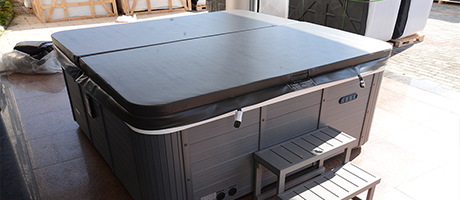
For most homeowners, an above-ground hot tub offers the best balance between affordability and convenience.
Typical investment:
Installation costs vary depending on local labor rates and site accessibility.
Foundation Preparation
A hot tub filled with water and occupants can weigh well over 4,000 pounds.
Before installation, you’ll need a stable foundation such as:
· Reinforced concrete slab
· Paver patio
· Composite deck
· Engineered platform
A properly prepared base prevents structural movement and extends the spa’s lifespan.
Electrical Installation
Most premium hot tubs require:
· Dedicated 220V circuit
· GFCI breaker
· Licensed electrician
Electrical installation typically costs between $800 and $2,000, depending on cable distance and local regulations.
In-Ground (Built-In) Installation
Built-in spas require significantly more construction work.
Typical project cost:
These installations offer a luxury appearance but involve considerably higher upfront investment.
Monthly Operating Costs
One of the biggest questions buyers ask is:
“How much does a hot tub cost to run each month?”
The answer depends on:
· Local electricity rates
· Climate
· Water temperature
· Frequency of use
· Insulation quality
· Cover quality
For most households, monthly operating costs remain surprisingly reasonable.
Electricity
Modern insulated hot tubs generally consume:
$20–$60 per month
Factors affecting electricity consumption include:
· Outdoor temperature
· Spa insulation
· Heater efficiency
· Usage frequency
· Cover quality
Premium insulation systems dramatically reduce standby heat loss.
For example, high-density foam insulation, insulated cabinets, and insulated spa covers help maintain water temperature with less energy.
(For a detailed explanation, read our Pillar Guide: How Does Hot Tub Insulation Work?)
Water Care Chemicals
Maintaining clean and balanced water requires:
· Sanitizer
· pH adjusters
· Alkalinity increaser
· Shock treatment
Typical monthly cost:
$20–$40
Using ozone or UV sanitation systems can reduce chemical consumption significantly.
Water Replacement
Most residential hot tubs require complete water replacement every 3–4 months.
Average annual water cost remains relatively low for most households.
Average Monthly Expenses

Long-Term Maintenance Costs
Like any mechanical equipment, hot tubs require routine maintenance to ensure reliable performance.
Fortunately, preventative maintenance is inexpensive compared to major repairs.
Filter Replacement
Filters should typically be replaced every 12–24 months.
Typical cost:
$40–$120
Clean filters improve water circulation and reduce stress on pumps.
Pump Replacement
Spa pumps usually last between 7 and 10 years.
Replacement cost:
$400–$800
High-quality pumps from reputable manufacturers generally provide longer service life.
Heater Replacement
Heating elements naturally wear over time.
Typical replacement cost:
$300–$600
Proper water chemistry helps extend heater lifespan.
Water Testing & Chemicals
Routine water testing helps prevent:
· Scale buildup
· Corrosion
· Bacterial growth
Maintaining balanced water reduces repair costs over time.
Annual Maintenance Budget
A reasonable annual maintenance budget is:
$500–$1,000
Most owners spend far less when routine maintenance is performed consistently.
How to Reduce Your Total Cost of Ownership
Lower operating costs begin with smart purchasing decisions.
Choose an Energy-Efficient Hot Tub
Insulation is one of the biggest factors affecting electricity consumption.
Look for:
· High-density foam insulation
· Multi-layer insulation systems
· Thick insulated cover
· Insulated base
· Energy-efficient circulation pump
Higher efficiency translates into lower monthly electricity bills.
Perform Regular Maintenance
Simple maintenance tasks prevent expensive repairs.
Examples include:
· Cleaning filters
· Monitoring water chemistry
· Inspecting seals
· Replacing worn components early
Preventative maintenance is always less expensive than emergency repairs.
Install Ozone or UV Water Treatment
Advanced sanitation systems reduce:
· Chlorine consumption
· Chemical costs
· Maintenance frequency
They also improve overall water quality.
Choose Premium Components
Not all hot tubs are built with the same quality standards.
Premium components often include:
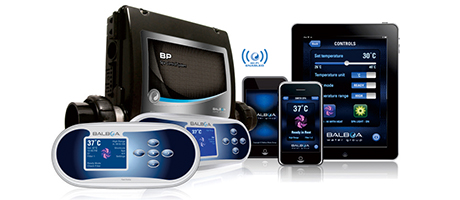
· Balboa control systems
· High-quality acrylic shells
· Reliable pumps
· Corrosion-resistant frames
· Durable plumbing systems
Higher-quality components generally reduce repair frequency over the product’s lifetime.
Why SUNRANS Offers a Lower Total Ownership Cost
At SUNRANS, we believe that the lowest purchase price isn’t always the best value.
Instead, we focus on delivering lower lifetime ownership costs through superior manufacturing quality.
Factory Direct Pricing
As one of the world’s leading outdoor spa manufacturers, SUNRANS supplies products directly from our factory.
This eliminates unnecessary distributor markups while maintaining premium product quality.
High-Quality Components
Every SUNRANS hot tub is built using carefully selected components from trusted suppliers.
Premium materials help reduce:
· Component failures
· Service calls
· Maintenance expenses
· Downtime
48-Hour Performance Testing
Every spa undergoes a comprehensive 48-hour factory testing process before shipment.
This rigorous quality inspection verifies:
· Leak-free plumbing
· Pump performance
· Heating system operation
· Electrical safety
· Overall product reliability
This commitment to quality helps minimize warranty claims and long-term maintenance costs for dealers and end users alike.
Cost Comparison Table
Although premium spas require a larger initial investment, they often deliver substantial savings over their service life through lower energy consumption, fewer repairs, and greater reliability.
Conclusion
The true cost of owning a hot tub extends well beyond the purchase price.
Installation, electricity, water care, routine maintenance, and component replacement all contribute to the total cost of ownership.
Fortunately, these expenses can be significantly reduced by choosing a well-designed, energy-efficient spa built with premium components and reliable manufacturing standards.
A high-quality hot tub is not just an investment in comfort—it is also an investment in long-term value.
At SUNRANS, we combine factory-direct pricing, premium materials, advanced insulation technology, and strict quality testing to help customers enjoy lower operating costs and dependable performance for years to come.
Ready to Find the Right Hot Tub?
Whether you’re a homeowner, distributor, hotel project developer, or wellness business, SUNRANS offers premium hot tubs and swim spas designed for exceptional performance and lower lifetime ownership costs.
Contact SUNRANS today to request a quotation, product catalog, or customized OEM/ODM solution.
Frequently Asked Questions (FAQ)
1. How much does a hot tub cost per month?
Most homeowners spend between $50 and $150 per month, including electricity, chemicals, water, and basic maintenance.
2. What is the average annual maintenance cost for a hot tub?
Routine maintenance typically costs $500 to $1,000 per year, depending on usage, climate, and component quality.
3. Does better insulation really reduce operating costs?
Yes. High-quality insulation significantly reduces heat loss, lowering electricity consumption and improving energy efficiency throughout the year.
4. Is a premium hot tub worth the higher upfront cost?
In many cases, yes. Premium spas often feature better insulation, longer-lasting components, and fewer repairs, resulting in a lower total cost of ownership over the life of the product.

点击右上角
分享给朋友吧







 Long by picture save/share
0

English
- 中文
- English
Share to:  |
|
Copyright© GUANGZHOU SUNRANS SANITARY WARE CO.,LTD
粤ICP备17099389号-2
Contact us
Tel: +86-20-86181657 Email: sales@sunrans.com
Share to
Contact us Tel: +86-020-26231998 Email: sales@sunrans.com Post code: 511300
Copyright © GUANGZHOU SUNRANS SANITARY WARE CO.,LTD 粤ICP备17099389号
