请双击输入内容...


Tel: +86-20-86181657

Email: sales@sunrans.com
Share to:












- Media News -
News Center
-

Meet SUNRANS at Canton Fa...
Meet SUNRANS at Canton Fair 2026. Discover our latest SPA, swim spa and sauna innovations. Book a meeting at Booth 11.1E31-34 & 11.1F13-16.
-
SUNRANS at Piscine Global...
Meet SUNRANS at Piscine Global Europe 2026 in Lyon, Nov 17–20. Explore exclusive spas and sauna solutions at Stand 6E86.
-
SUNRANS at PSP Expo 2026 ...
Meet SUNRANS at PSP Expo 2026 in New Orleans, Nov 17–19. Explore dealer-exclusive spas and cold wellness solutions at Booth 1837.
-
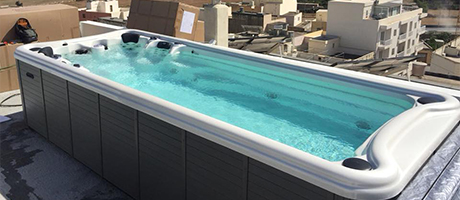
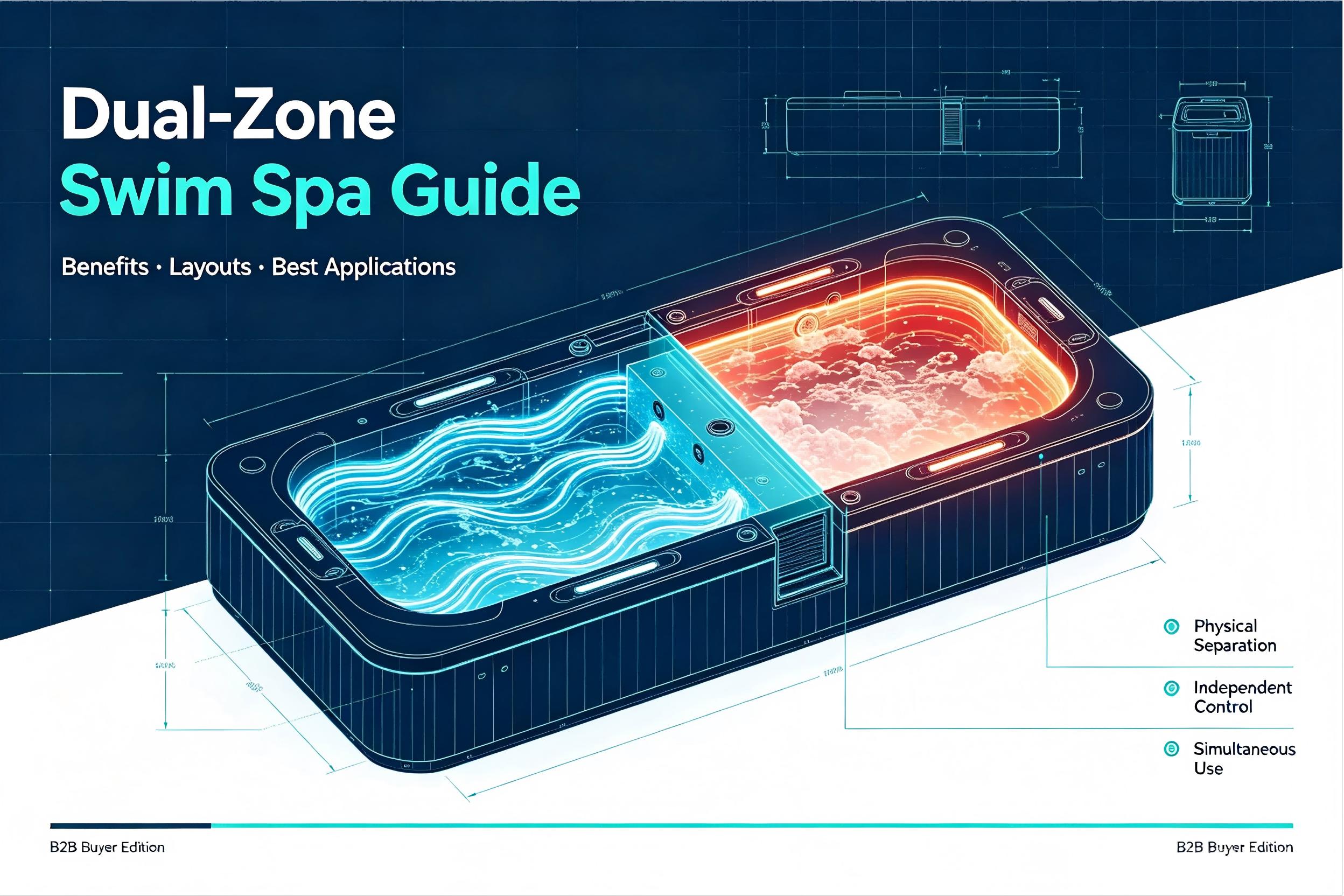
Dual-Zone Swim Spa Guide:...
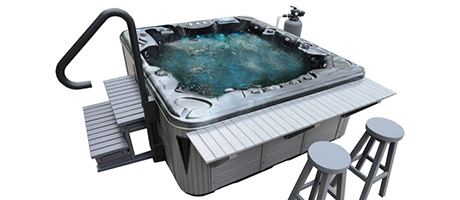
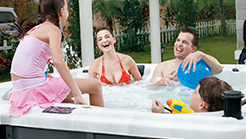
Learn how dual-zone swim spas work, when independent temperatures add value, and what buyers should compare in layout, systems, installation and cost.
-
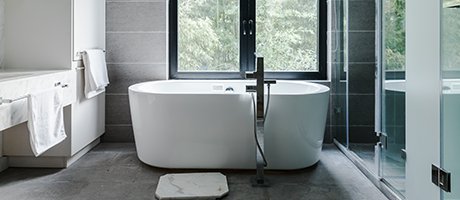
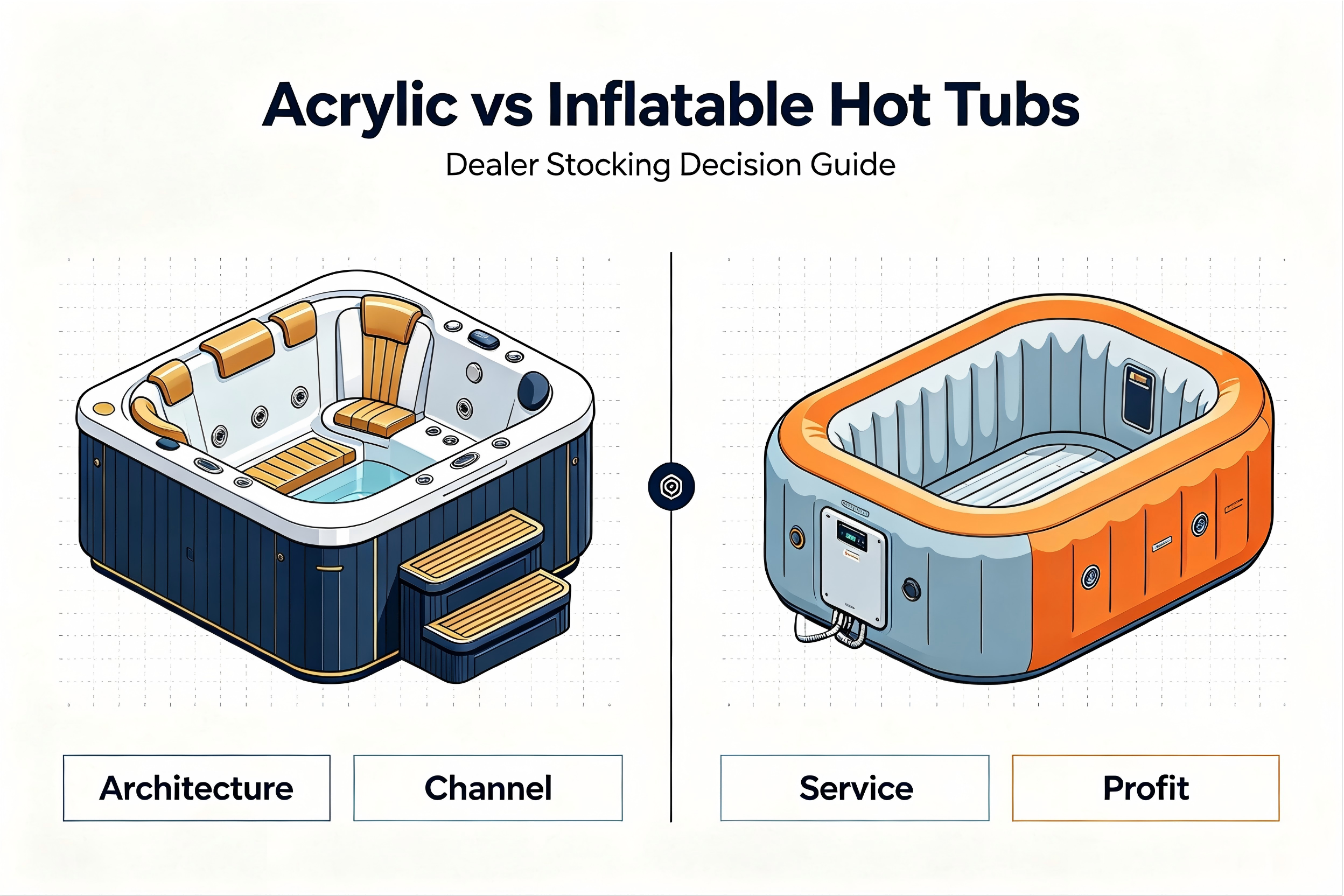
Acrylic vs Inflatable Hot...
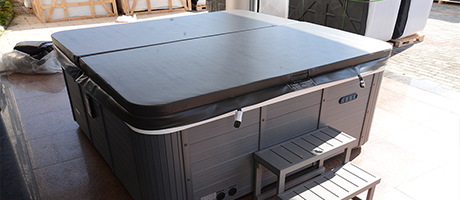
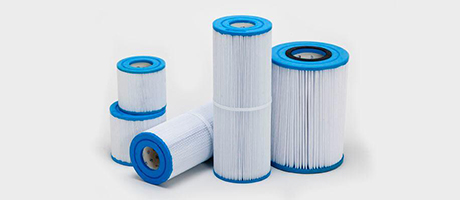
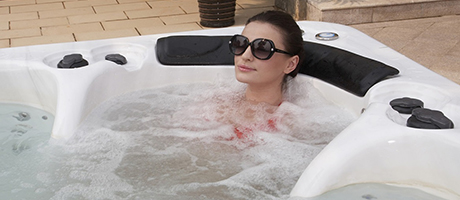
Acrylic and inflatable hot tubs serve different customer segments. Acrylic models offer integrated seating, stronger equipment options, insulation choices, longer-term serviceability and premium positioning. Inflatable models prioritize low entry cost, portability and compact storage. Dealers should choose based on channel, customer expectations, service model and margin structure.
-
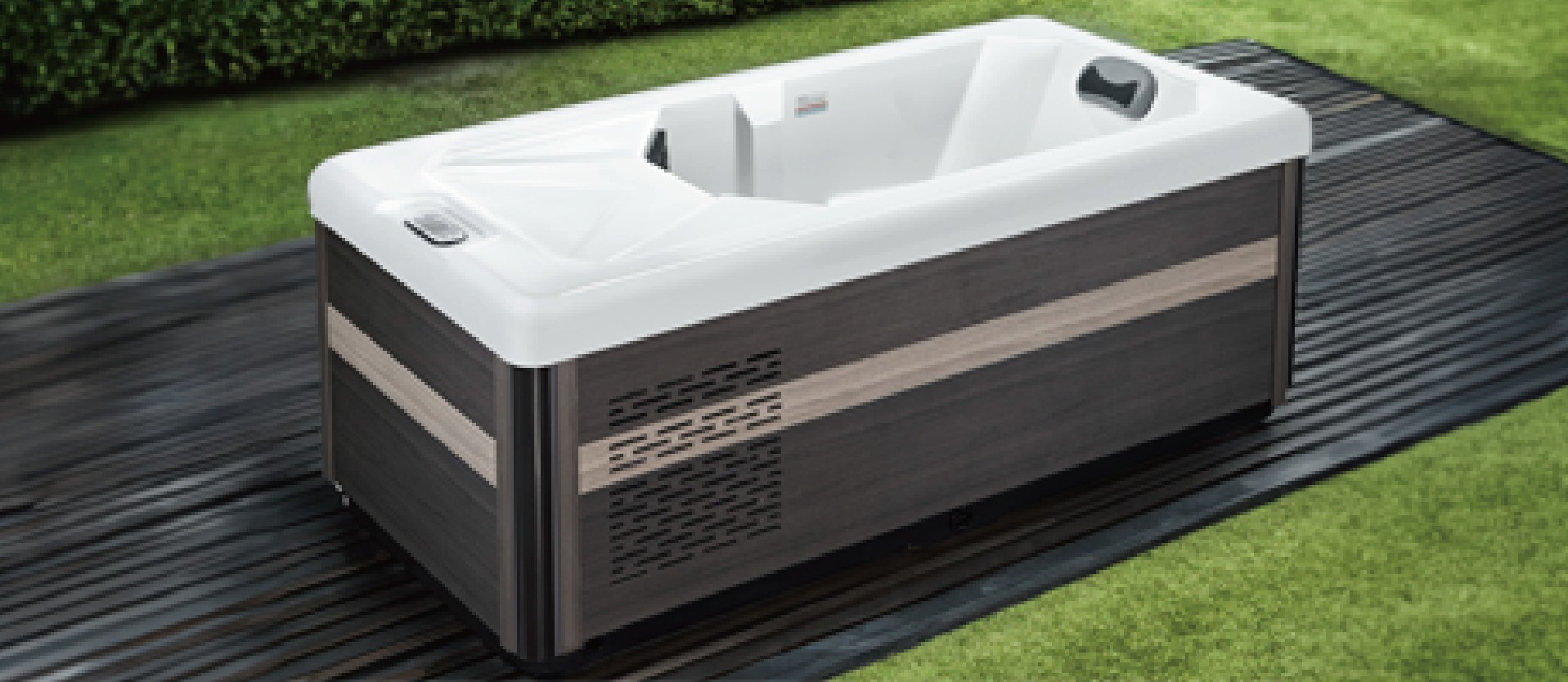
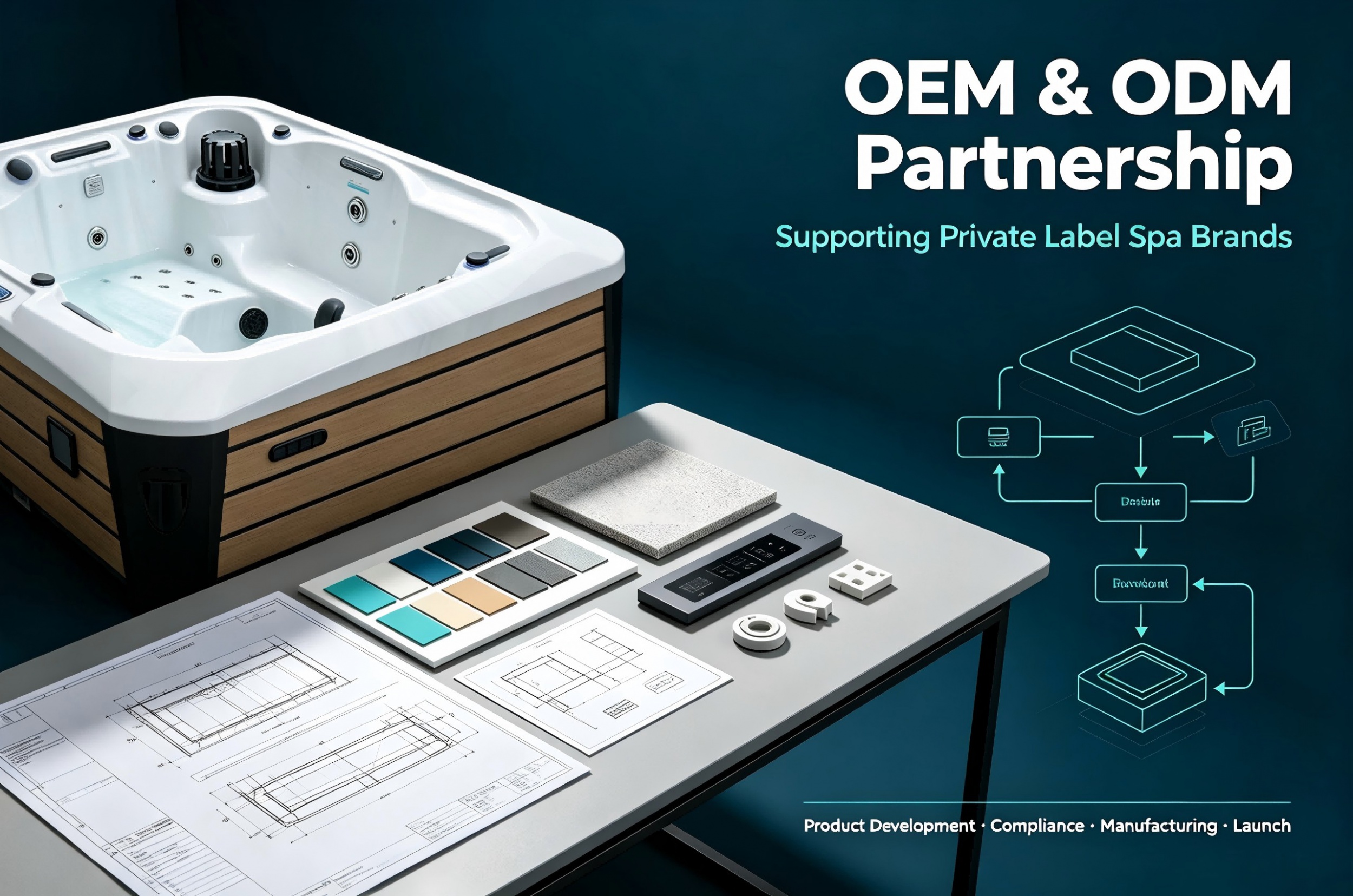
OEM and ODM Partnership: ...
See how SUNRANS supports OEM spa and private-label manufacturing through briefs, customization, compliance, sampling, testing, and launch support.




English
- 中文
- English
Share to:  |
|
Copyright© GUANGZHOU SUNRANS SANITARY WARE CO.,LTD
粤ICP备17099389号-2
Contact us
Tel: +86-20-86181657 Email: sales@sunrans.com
Share to
Contact us Tel: +86-020-26231998 Email: sales@sunrans.com Post code: 511300
Copyright © GUANGZHOU SUNRANS SANITARY WARE CO.,LTD 粤ICP备17099389号
